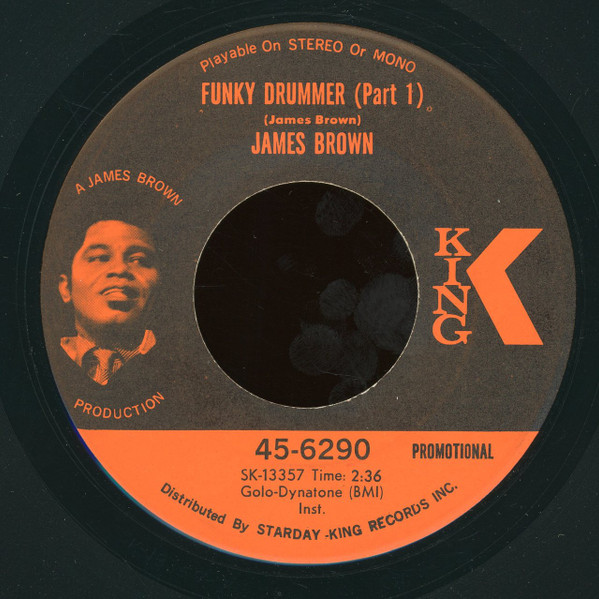
The verdict
Documented Sampling History
A confirmed songwriter of record (James Brown’s estate) and 1,000+ cleared samples. The real injustice — Clyde Stubblefield never credited or paid for the break he improvised — lives in the Receipts, not the verdict.
Sampled 1,000+ times
Used by independents?
Yes — used by De La Soul, an independent act on Tommy Boy, in 1989 (“Say No Go”) — one of countless independent hip-hop and jungle records built on the break.
Quick Facts
Released1970
AlbumFunky Drummer (single)
GenreFunk
LabelKing Records
ProducerJames Brown
Recorded atKing Studios, Cincinnati (Nov 20, 1969)
More infoWikipedia → · Discogs →
Who you need to ask
The songwriter (of record) — James Brown's estate
Wikipedia → · checked Jul 2026
The master administrator — Not confirmed — originally King Records; needs a Songview/Discogs lookup
Unknown · checked Jul 2026
Has it been sampled?
Yes — one of the most-sampled drum breaks in history (1,000+ songs), cleared across major-label releases for decades
Do they allow sampling?
No standalone policy found, but the extensive record of legitimate major-label clearance shows it clears regularly in practice
Related Songs
Same album, answer records, and songs worth knowing about
See every song that samples “Funky Drummer” →
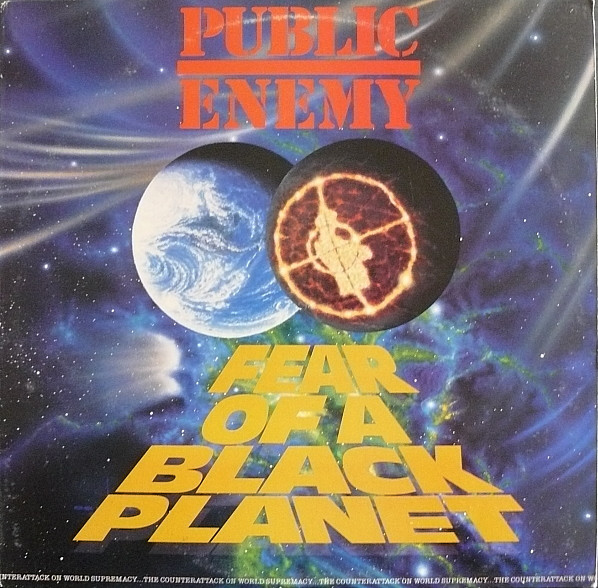
Among the break's most famous uses
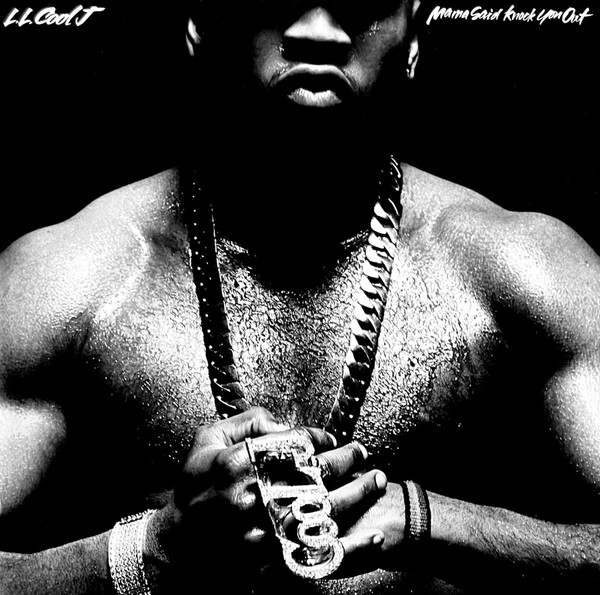
Built on the Funky Drummer break

A mainstream-pop use of the break
Who Owns It
Licenses explained →The two permissions you need, and who holds them
The song itself (the writing)James Brown (estate)
The recording (current administrator)Not confirmed
The break's actual creatorClyde Stubblefield (d. 2017) — never held songwriting credit or royalty rights to the break he improvised
Receipts
Every public mention of terms, policy, or past deals we've found
The credited owner never played the part
Stubblefield's break is entirely his own improvisation, created in the moment during a studio jam — yet James Brown holds sole songwriting credit and all resulting royalties. In his own words: "That break was mine. He didn't tell me what to play. I played what I felt, but he owned it."
The Future Heart (citing Creative License) · read it →
A documentary built a case study around it
The 2009 PBS documentary "Copyright Criminals" used Stubblefield's situation as a central example of how sampling law and royalty distribution fail to compensate the musicians whose performances get reused.
Substack (Dugan J.) · read it →
Stubblefield's own perspective, in his words
Asked by the New York Times in 2011 about never receiving royalties, he said plainly: "It didn't bug me or disturb me." What mattered to him was recognition, not money — he wished sampled tracks would credit him by name: "the money is not the important thing, just to get myself out in the world."
The Conversation · read it →
Can You Use It for Free?
How to check PD →Is it public domain?No
Sample History
1,000+
Times sampled
—
Covers
—
First flip
Big names who used itPublic Enemy · N.W.A · Dr. Dre · LL Cool J · Beastie Boys · De La Soul · George Michael · Ed Sheeran
Who to Contact
JB
James Brown estate
Songwriter of record — the credited party for the composition
What they'll chargeNobody's shared numbers yet
Don't Want the Hassle?
Sample something pre-cleared insteadCheck Tracklib →
Find a similar sound that's 100% freeBrowse the catalog →
References
Every source cited on this page — 6 in total
Was this page helpful?
Page history · 2 updates
Jul 2026Page created — full research (catch-up batch)
Jul 2026BPM/Key pending a separate manual keyfinder pass