Song Clearance Sheet
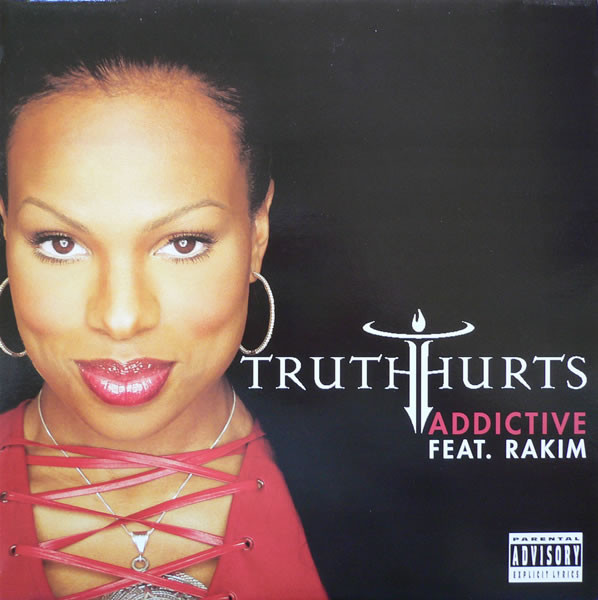
7 sources citedAddictive
Hip-Hop2000s99BPM
A majKey
More around 100 BPM → · More in A major → · More “Cleared After Dispute” →
Tempo/key via GetSongBPM →, Deezer →
The verdict
Cleared After Dispute
Two separate real lawsuits — Saregama’s $500M federal suit and composer Bappi Lahiri’s own ~$1M suit — were both reportedly settled out of court (terms not disclosed). The cultural-imperialism framing, the religious/cultural-sensitivity objection, and the Lahiri-hypocrisy critique are documented factually in Rights Status and Receipts, taking no side.
reportedly open to sampling
Used by independents?
Unconfirmed — the page doesn't yet document enough sampler detail to tell.
Quick Facts
Released2002
GenreHip-Hop, R&B
LabelAftermath Entertainment
ProducerDJ Quik
More infoWikipedia → · Discogs →
Who you need to ask
The sampled recording’s owner — Saregama India Ltd. (holder of Lata Mangeshkar’s 1981 “Thoda Resham Lagta Hai”)
Billboard → · checked Jul 2026
The credited songwriters — Static Major, Rakim, DJ Quik & Billy Nichols
Wikipedia → · checked Jul 2026
The “Addictive” master administrator — Not independently confirmed — via Aftermath/Interscope/UMG; needs a Songview/Discogs lookup
Wikipedia → · checked Jul 2026
Has it been reused?
The sample here was uncredited and litigated — #9 Hot 100, #2 R&B, but it triggered two lawsuits (both reportedly settled). The sampled recording itself has a confirmed owner and a documented licensing history.
Do they allow reuse?
The sampled recording has a confirmed owner (Saregama) that does license — the dispute was over uncredited use, not the absence of a path to clear it.
Who Owns It
Licenses explained →The two permissions you need, and who holds them
The credited songwritersStatic Major, Rakim, DJ Quik & Billy Nichols
The sampled recording’s ownerSaregama India Ltd.
Lawsuit one — SaregamaSaregama India Ltd. filed a $500 million federal suit (Sept 12, 2002) against Aftermath, Dr. Dre personally, and Interscope/UMG. Its press release framed the uncredited use as a form of “cultural imperialism” toward Third World artists — a pointed framing beyond standard copyright claims.
Lawsuit two — Bappi LahiriComposer Bappi Lahiri separately filed his own distinct suit for a more modest sum (just over $1 million), alleging producers “superimposed their own drum track and lyrics” over a full four-minute excerpt of the original recording — not merely a short loop.
How they resolvedBoth suits were reportedly settled out of court; specific settlement terms were not found in this research pass.
The “Addictive” master (administrator)Not independently confirmed
Receipts
Every public mention of terms, policy, or past deals we've found
A “cultural imperialism” framing beyond the copyright claim
Saregama’s press release characterized the uncredited use as a form of “cultural imperialism” toward Third World artists — a real, pointed framing layered on top of the standard copyright claim. Presented factually, taking no side.
Billboard · read it →
A separate religious/cultural-sensitivity objection
Saregama’s copyright manager reportedly also objected specifically because “Addictive”’s explicit lyrics were considered potentially offensive to Indian cultural and religious sensibilities — a distinct layer beyond the financial dispute. No lyrics reproduced.
Diigo (compiled press coverage) · read it →
A telling internal inconsistency
Universal’s own Indian subsidiary had separately sought and received permission to license the same song for an unrelated cover just 12 days before “Addictive”’s parent album was released — suggesting UMG’s Indian arm understood licensing was necessary and available, while the US side did not pursue it here.
Diigo · read it →
A documented irony about the composer
At least one commentator noted the irony that Bappi Lahiri himself has a documented reputation for extensively borrowing melodies from Western songs throughout his career — presented as a real critical viewpoint, not an assertion of guilt.
India Currents · read it →
A more nuanced scholarly reading, for balance
An academic cultural-studies analysis offers a more complex reading of the cross-cultural dynamic between the two songs, beyond a simple American-exploitation narrative — noted here as one real published perspective, not the only valid one.
Manifold (University of Minnesota Press) · read it →
Can You Use It for Free?
How to check PD →Is it public domain?No
Who to Contact
SG
Saregama India Ltd.
The confirmed owner of the sampled 1981 recording
What they'll chargeNobody's shared numbers yet
Don't Want the Hassle?
Sample something pre-cleared insteadCheck Tracklib →
Find a similar sound that's 100% freeBrowse the catalog →
References
Every source cited on this page — 7 in total
Was this page helpful?
Page history · 2 updates
Jul 2026Page created — full research (Unique Angles Batch)
Jul 2026BPM/Key pending a separate manual keyfinder pass